Pensioner living in a council-owned high rise block, retro fitted with sprinklers, dies in flat fire
Read the key findings and recommendations, learning and actions
Introduction
An 87-year-old man, living in a local authority-owned high rise block retro-fitted with sprinklers, dies in a flat fire.
Seven
Minute
Briefing
2. Background
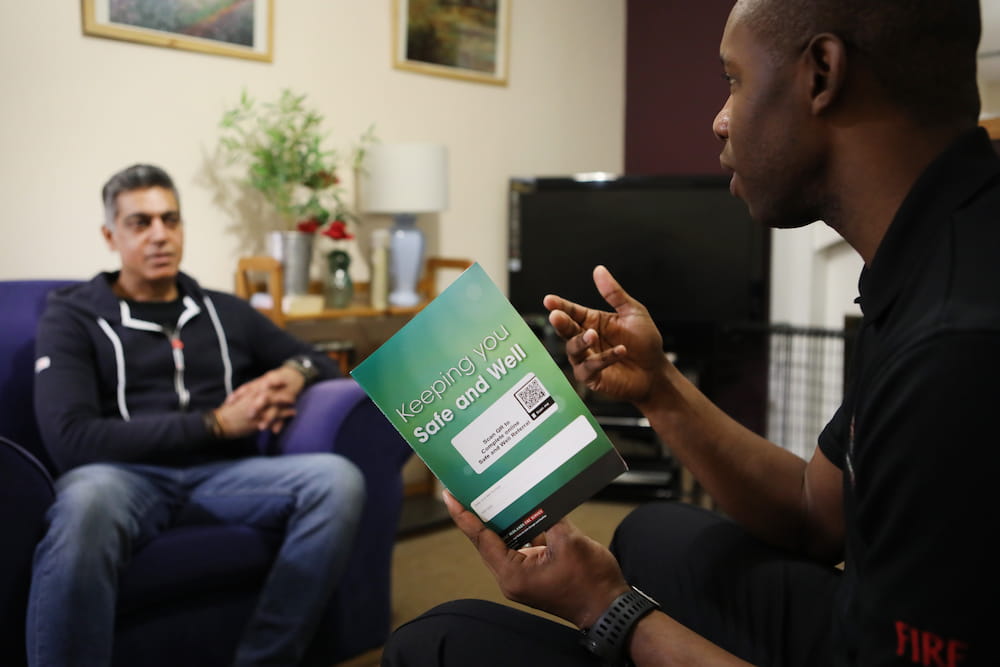
He had daily family engagement, but had repeatedly refused additional support around his smoking behaviour. He was known to four separate health and care agencies for the treatment of his conditions and frailty. Two separate agencies indicated an attempt to refer to West Midlands Fire Service (WMFS) for a Safe and Well (SAW) visit, which could have provided fire retardant bedding to mitigate smoking fire risk, but neither referral materialised. One he verbally refused, and the other was recorded as an intent-to-refer but not followed through.
1. Pen portrait
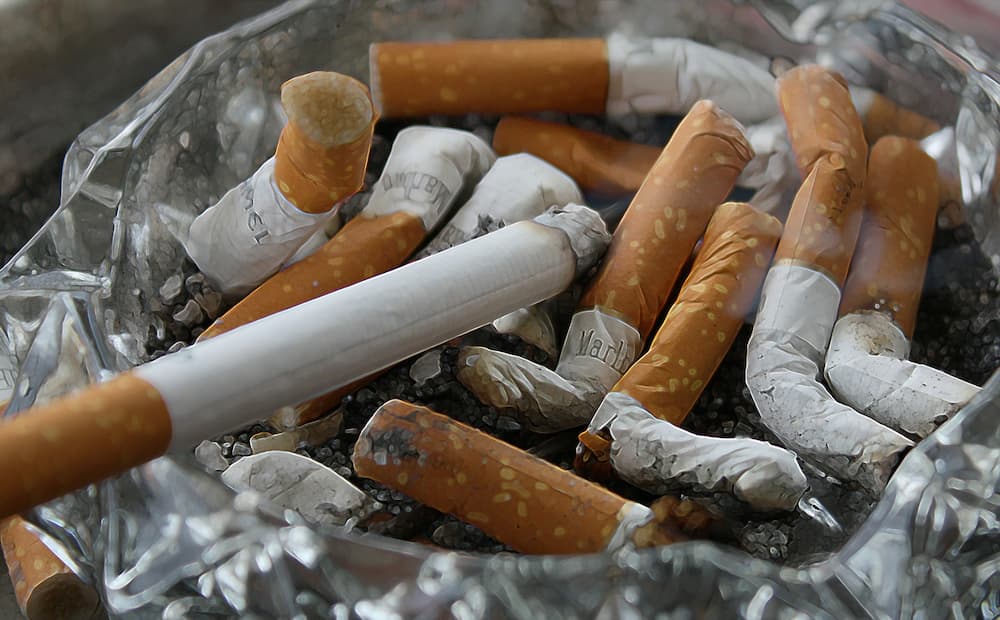
The man lived alone, with worsening health and hospital admissions in the months before his death. He had chronic kidney disease, Type 2 diabetes, end-stage Chronic Obstructive Pulmonary Disease, B12 deficiency, and oedema to both legs and feet. He was a bed-bound smoker who received regular district nurse visits, and care calls four times a day.
3. The incident
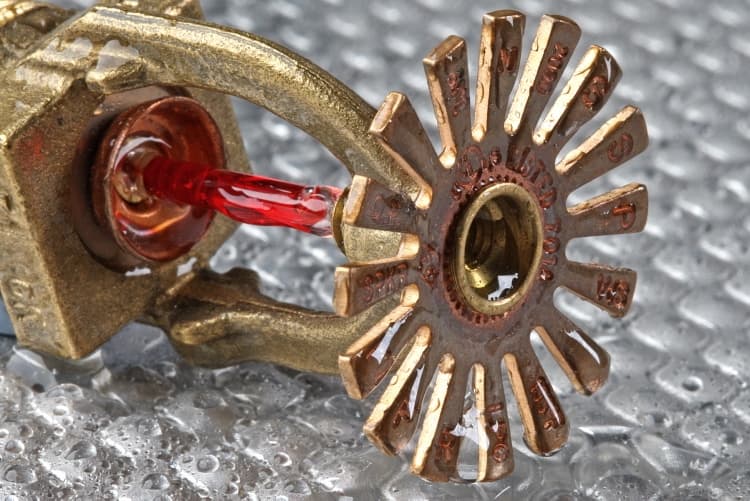
Some time after his evening care visit, his bedding caught fire. The sprinkler above his bed actuated and extinguished the fire. However, he was left with burns to his lower body. When WMFS received a 999 call it was from people in the flat below. Water was pouring through their ceiling. On arrival to a ‘flooding affecting electrics’ incident, crews attended the caller's flat. Their investigations led them to the flat above, where they found the gentleman in bed with minor burns and sodden.
4. Casualties and nature of incident
Despite fire crews providing care, the man sadly passed away a few minutes later. A WMFS fire investigator determined the fire was caused by the flame of his long-reach cigarette lighter igniting his bedding.
5. Post-incident
A WMFS Fire Safety Officer undertook a Post-Fire Safety Audit of the local authority-owned high-rise block. His examination of the building’s sprinkler alarm panel determined that the sprinkler activation had triggered two separate alerts, to the authority's Alarm Receiving Centre (ARC), a few seconds apart. The first was a ‘Fault’ signal and the second a ‘Fire’ signal. The latter should have resulted in a 999 call but was errantly treated as a continuation of the former. No 999 call was made. At Coroner’s Inquest, a Regulation 28 Notice for Preventing Future Deaths was issued to the local authority relating to concerns about the procedures and actions of its ARC operators.
6. Key findings and recommendations
* ARC operator procedures, guidance and assurance of calling 999 were not robust enough when it came to multiple actuations from the same sprinkler system. * Two healthcare agencies saw him daily to weekly, but did not consider a referral to WMFS based on his fire risk vulnerability. * Two further agencies recognised his fire risk vulnerability, but did not make referrals to WMFS based on his refusal of their offer to do so.
7. Learning and actions
* ARC should strengthen its procedural guidance and assurance of operators in making 999 calls when receiving multiple notification signals. These areas have since been addressed by the local authority, who have sent a response to the Coroner. * Agencies should be encouraged to refer high-risk vulnerable service users to WMFS, regardless of whether they consent, as WMFS’s data-handling Lawful Basis (‘Public Task’) allows us to action that referral. Standard WMFS partner presentation and communication content has been strengthened to include this. * Refresher training should be given to agencies who have referral pathways with WMFS, but failed to make a SAW referral in this case, due to either practitioner omission or process error. Two such agencies involved with this man have been engaged by WMFS to achieve this. *Referral pathways should be created with agencies who were known to him, but were not yet engaged with WMFS. Again, these discussions have already taken place and achieved success.
Useful links
We've included links below that may be useful. This may be links to page or services that support our partners, or safety information pages that can be shared with the public around subjects related to this serious incident review.